


1418 Polk St
San Francisco, CA 94109

Can Ortho-K Prevent High Myopia Later in Life?
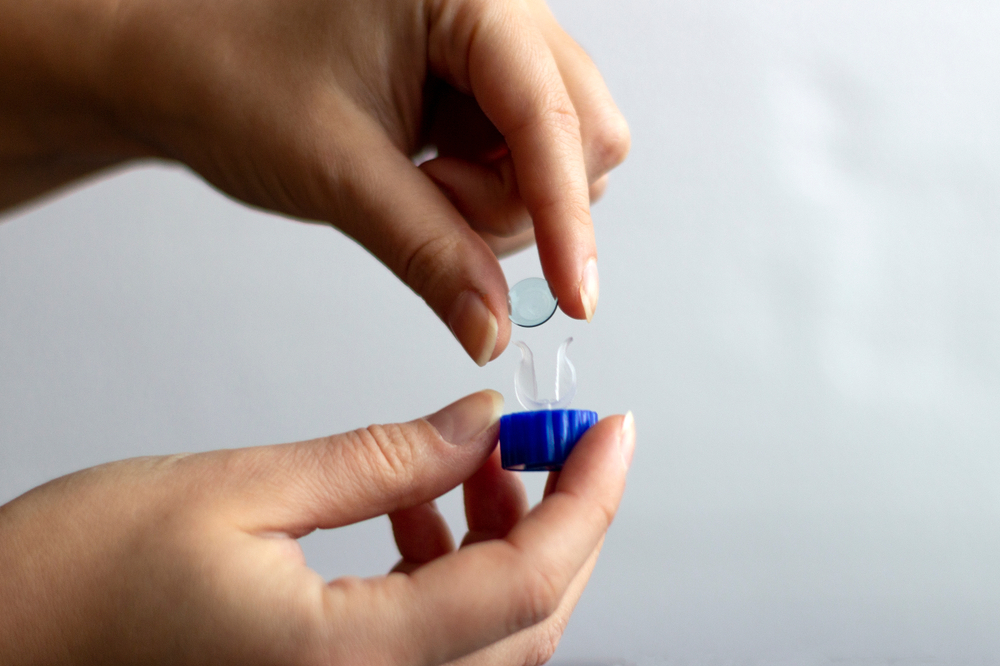
Myopia, or nearsightedness, occurs when the eye grows too long or the cornea is too curved, causing light to focus in front of the retina instead of directly on it. As a result, distant objects appear blurry. Myopia typically develops during childhood and can progress as the eyes continue to grow.
High myopia increases the risk of serious eye health complications later in life, including retinal detachment, glaucoma, and macular degeneration. Because of these potential risks, controlling the progression of myopia in children and teens is essential for lifelong eye health.
What Is Ortho-K?
Orthokeratology, or Ortho-K, is a non-surgical treatment that uses specially designed rigid gas-permeable contact lenses worn overnight. While the wearer sleeps, these lenses gently reshape the cornea, temporarily correcting vision so that glasses or daytime contacts aren’t needed during waking hours.
In addition to providing clear vision, Ortho-K lenses have been shown to slow the progression of myopia. This makes them a valuable tool in managing and potentially reducing the risk of developing high myopia later in life.
How Ortho-K Helps Manage Myopia Progression
Ortho-K lenses alter how light focuses on the retina, which help regulate the eye’s growth. By reducing the stimulus that triggers elongation of the eyeball, Ortho-K can slow the rate of myopia progression in children and adolescents - the years when eye growth is most active.
Multiple studies have demonstrated that children who wear Ortho-K lenses experience less myopic progression compared to those who wear regular glasses or soft contact lenses. This effect can lead to significantly lower prescriptions in adulthood and a reduced risk of developing high myopia-related complications.
The Best Time to Start Ortho-K
Early intervention is key. Starting Ortho-K when myopia first develops - often between the ages of 6 and 12 - can have the greatest long-term benefit. The goal is to slow eye growth during critical developmental years, helping to preserve eye health and reduce the need for stronger prescriptions in the future. Even teens and young adults can benefit from Ortho-K, especially if their myopia is still progressing.
Is Ortho-K Right for Your Child?
Ortho-K is a safe, effective, and reversible treatment, but it’s not right for everyone. A comprehensive eye exam is essential to determine if a patient’s eye shape, prescription, and corneal health make them a good candidate. At Drs. Hiura & Hiura Optometrists, we customize each Ortho-K treatment plan to ensure the best results and comfort.
Schedule a Myopia Management Consultation Today
While Ortho-K doesn’t “cure” myopia, it can play a crucial role in slowing its progression and helping to prevent high myopia later in life. By taking proactive steps early, you can help protect your child’s long-term vision and reduce their risk of serious eye health problems in adulthood.
If you’re concerned about your child’s changing vision or interested in learning more about Ortho-K, contact Drs. Hiura & Hiura Optometrists to schedule a pediatric eye exam. Visit our office in San Francisco, California, or call (415) 776-2352 today.
© 2026 Drs. Hiura & Hiura Optometrists. All rights Reserved - Accessibility Statement - Privacy Policy - Sitemap
Powered by
