


1418 Polk St
San Francisco, CA 94109

Blog list
Drs. Hiura & Hiura Optometrists Blog
Learn more about optometrist care in our blog!

For San Francisco tech professionals and remote workers, spending eight or more hours a day moving between laptops, phones, monitors, and video meetings can leave the eyes feeling tired by late afternoon. When choosing new glasses, two common options are blue light-filtering lenses and anti-reflective coatings.
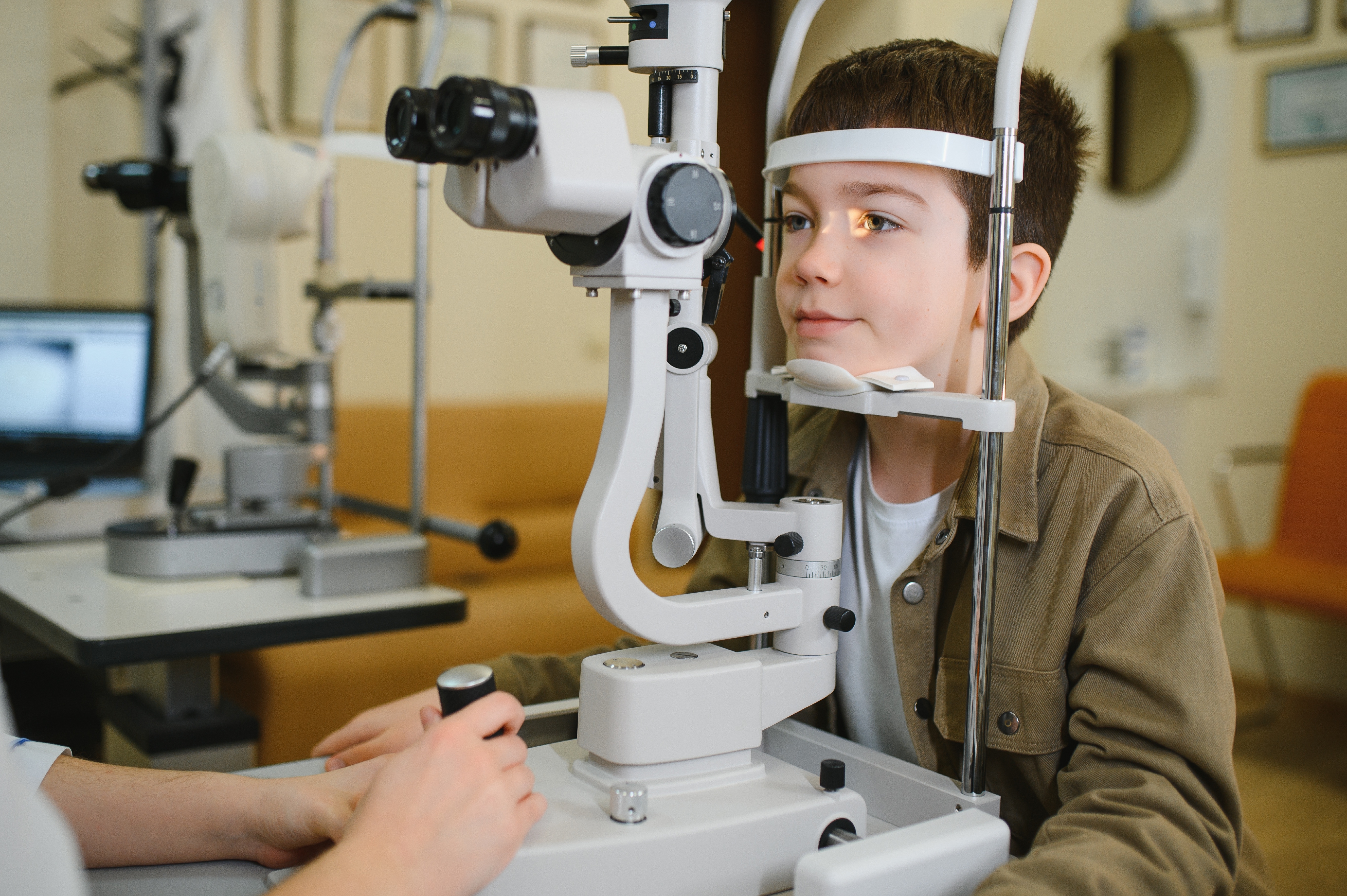
When a child’s nearsighted prescription increases, replacing their glasses restores clear distance vision. However, another stronger pair may be needed the following year if the eyes continue growing. For San Francisco families, these repeated updates can become an ongoing expense without addressing how quickly myopia is progressing.

When a child’s glasses prescription keeps getting stronger, many parents start to wonder whether annual glasses are enough. Glasses help children see clearly, but they do not always slow the progression of myopia, also called nearsightedness. For families in San Francisco, Ortho-K may be worth considering as a long-term investment in both vision correction and myopia management.
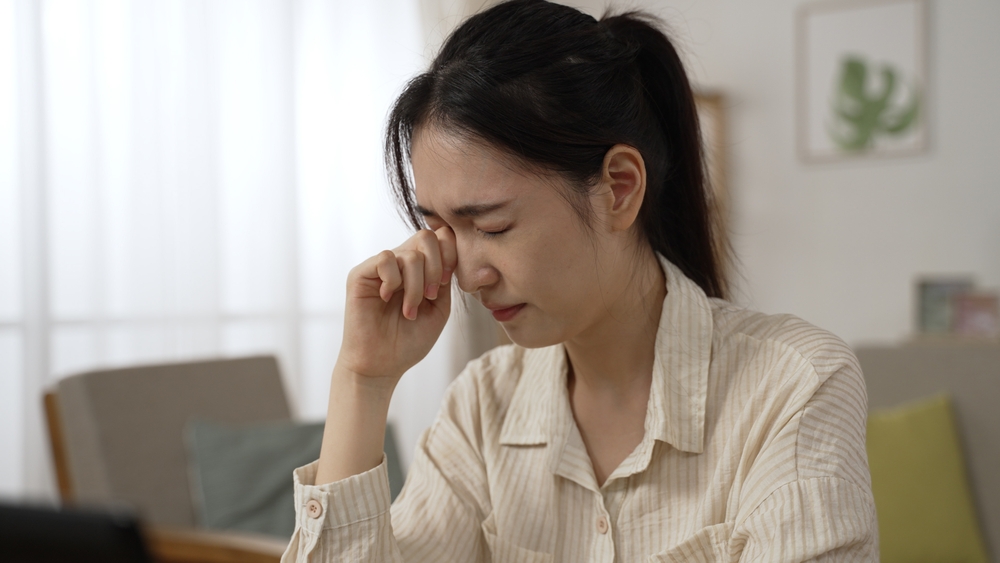
Hybrid work has changed how many people in San Francisco use their eyes every day. Between laptops, monitors, phones, video calls, and commuting between home and the office, the visual system rarely gets a break. Over time, this can lead to computer vision symptoms that affect comfort, focus, and productivity.
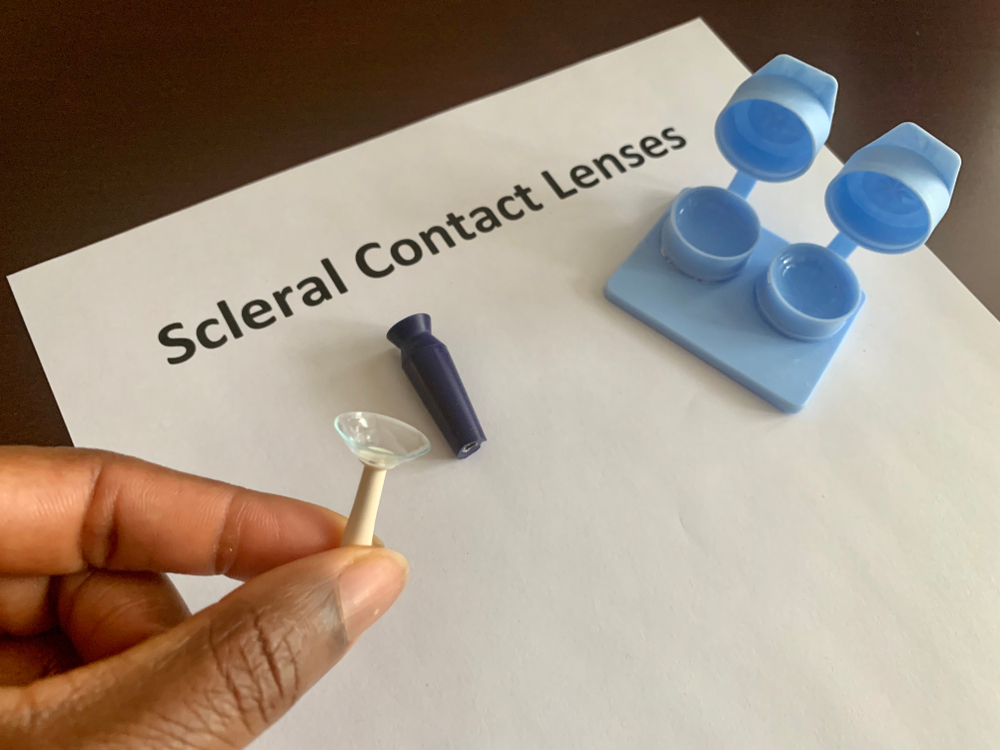
Starting scleral lenses can feel intimidating at first, but with the right technique and a little patience, most patients adjust well. At Drs. Hiura & Hiura Optometrists, we fit scleral lenses for patients in San Francisco who need clear, stable vision and added comfort for conditions like dry eye, keratoconus, irregular corneas, or hard-to-fit eyes.
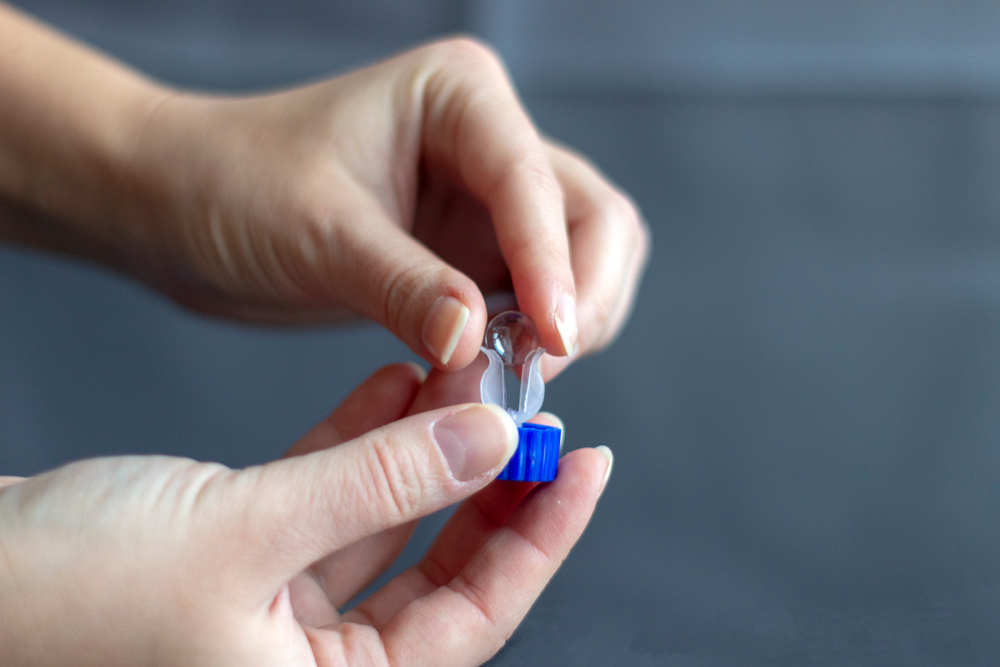
Ortho-K gives many patients a way to see clearly during the day without relying on glasses or daytime contact lenses. These specially designed lenses are worn overnight to gently reshape the cornea while you sleep. By morning, many people can enjoy clear vision for work, school, exercise, and daily routines. At our San Francisco office, Ortho-K is often appealing to patients who want vision correction that fits more comfortably into their lifestyle.
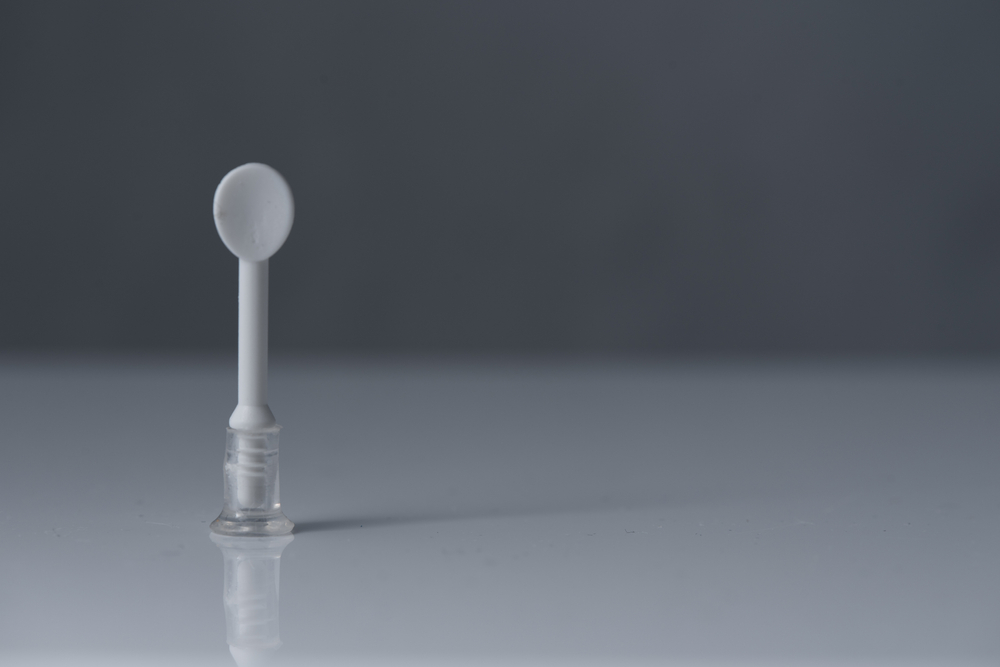
Dry eye can make everyday life frustrating, especially when standard contact lenses leave your eyes feeling irritated or unstable. At Drs. Hiura & Hiura Optometrists, we work with patients in San Francisco who need more than a basic solution. Scleral lenses can create a smooth, moisture-rich surface over the eye, and when paired with dry eye therapy, they can offer even greater relief and more consistent comfort.
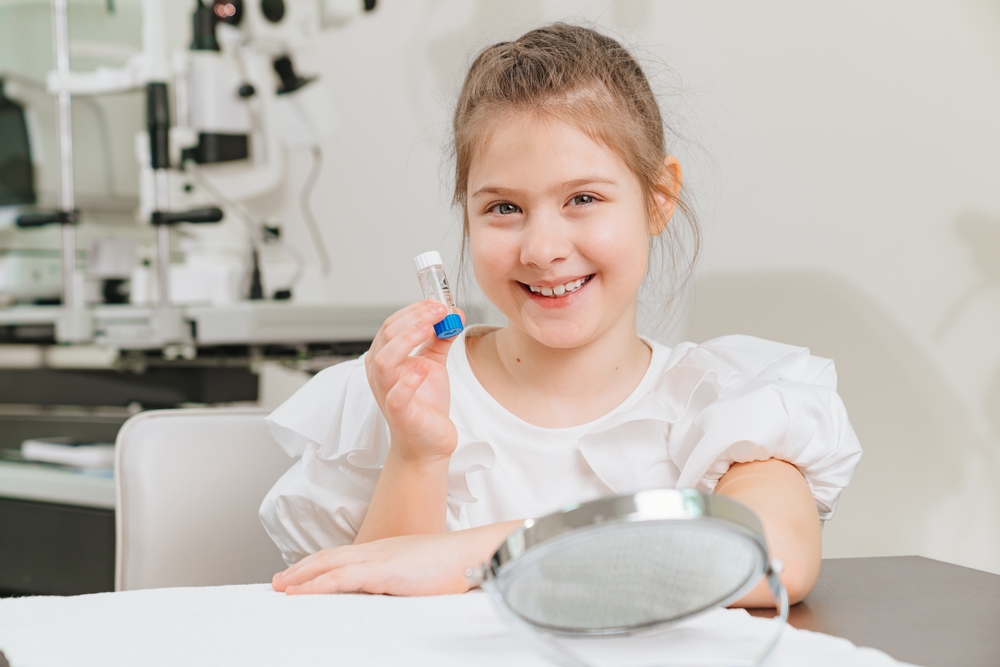
Orthokeratology is an innovative, non-surgical way to correct vision while you sleep. By wearing specially designed gas-permeable contact lenses overnight, patients can enjoy clear vision during the day without glasses or daytime contacts. Despite its growing popularity, Ortho-K is still surrounded by misconceptions.
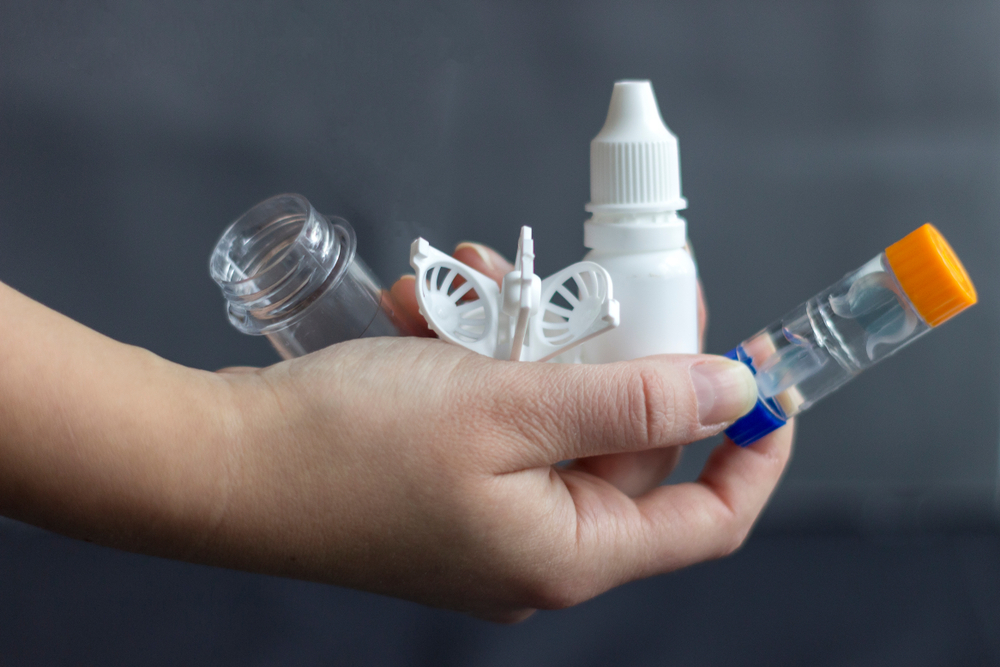
Myopia is becoming increasingly common in children. With more time spent on digital devices and less time outdoors, many parents are noticing their child’s vision worsening year after year. While glasses and contact lenses can correct blurry vision, they don’t address the progression of myopia. This is where Orthokeratology, or Ortho-K, offers a proactive solution.
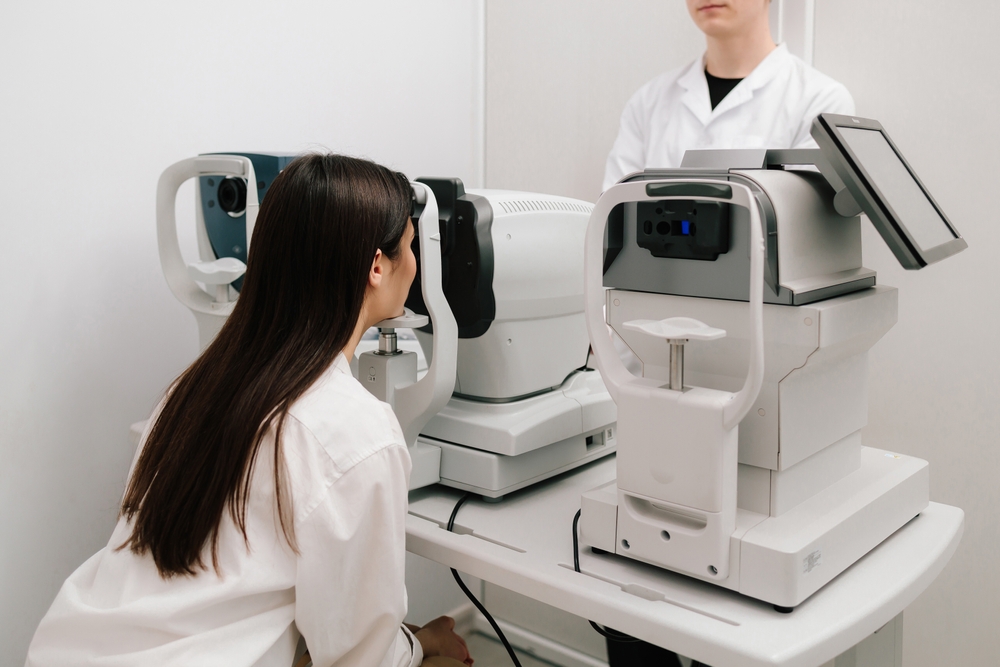
When most people think of an eye exam, they picture reading letters on an eye chart and getting an updated glasses or contact lens prescription. While visual clarity is important, it’s only a small part of what a truly comprehensive eye exam reveals.
© 2026 Drs. Hiura & Hiura Optometrists. All rights Reserved - Accessibility Statement - Privacy Policy - Sitemap
Powered by
